NHS Active Kids
Designing a research-driven digital intervention that translates behavioural insights into sustained physical activity outcomes for children.
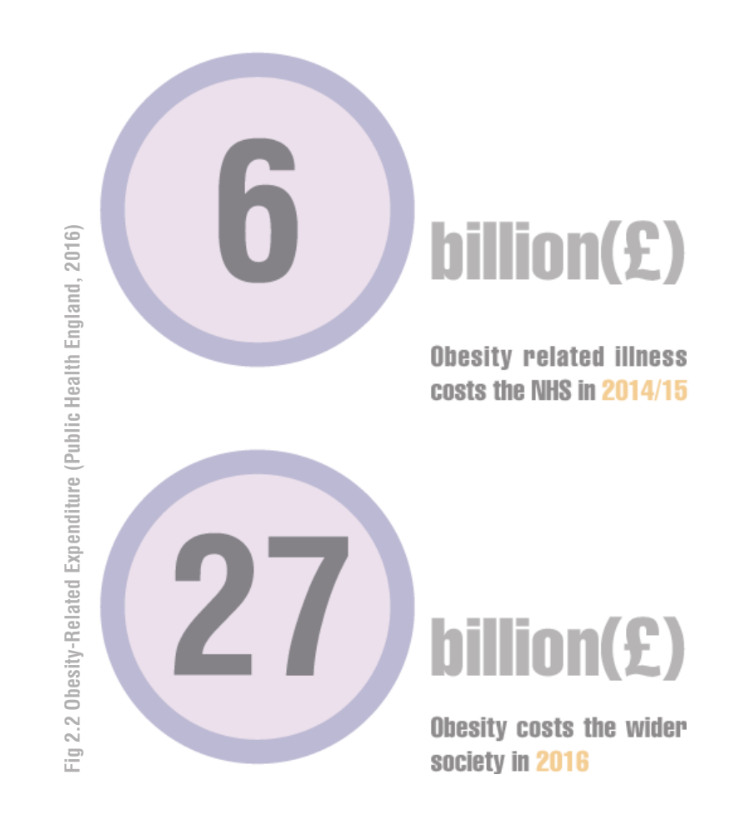
Childhood sedentary behaviour is increasing, driven by screen time, lack of structured activity, and low intrinsic motivation. Existing interventions often rely on instruction rather than engagement, resulting in poor long-term adherence.
The challenge was to design an intervention that:
- Motivates children intrinsically rather than through compliance
- Is developmentally appropriate and inclusive
- Aligns with NHS health objectives while remaining playful and engaging
Design Objectives
- Reduce sedentary time through daily, achievable activity prompts
- Encourage habit formation, not short-term compliance
- Balance playfulness with credibility in a healthcare context
- Support parents and educators without adding cognitive burden
Research & Evidence Base
Research combined secondary healthcare literature and primary user-centred methods, including:
- Review of NHS and WHO guidelines on childhood physical activity
- Behavioural science frameworks — habit formation, motivation theory
- Comparative analysis of existing children's health and fitness products
- Qualitative research informing motivation, engagement, and barriers
This ensured the concept was grounded in clinical evidence while remaining experience-led.
- Motivation must be play-driven, not instruction-driven
- Visual feedback significantly increases engagement for children
- Small, frequent actions are more sustainable than large activity goals
- Parental involvement should be supportive, not supervisory
- Gamification only works when tied to real-world movement
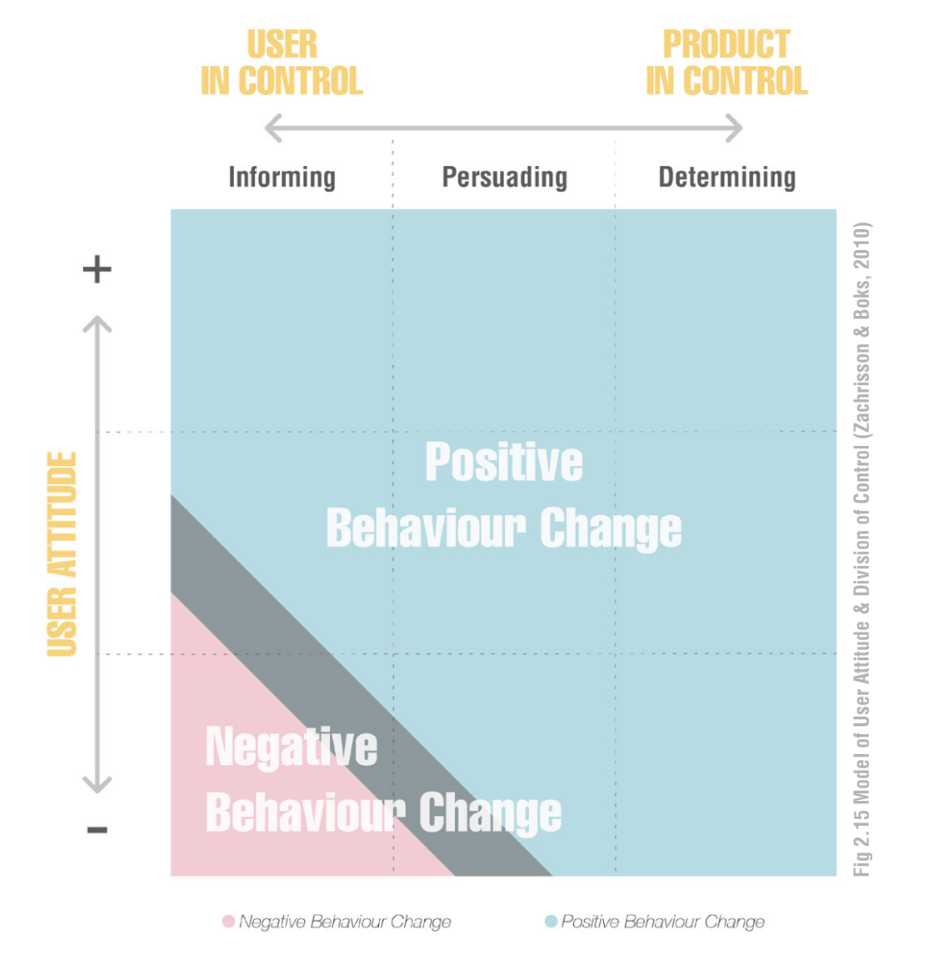
To conceptualise the impact of sedentary behaviour, a design that triggers intrinsic motivation seems appropriate for reducing these behaviours. A variety of internalised user behaviours were taken into account to efficiently tailor a strategic intervention.
The hypothesis is that there is a potential link between these variables and possible outcomes of an effective design implementation — making it necessary to reflect on the influences and context of sedentariness on user behaviour.
"Designers are in the behaviour business."
— Robert Fabricant, Frog Design, 2009
Design decisions were set based on the research. The design should:
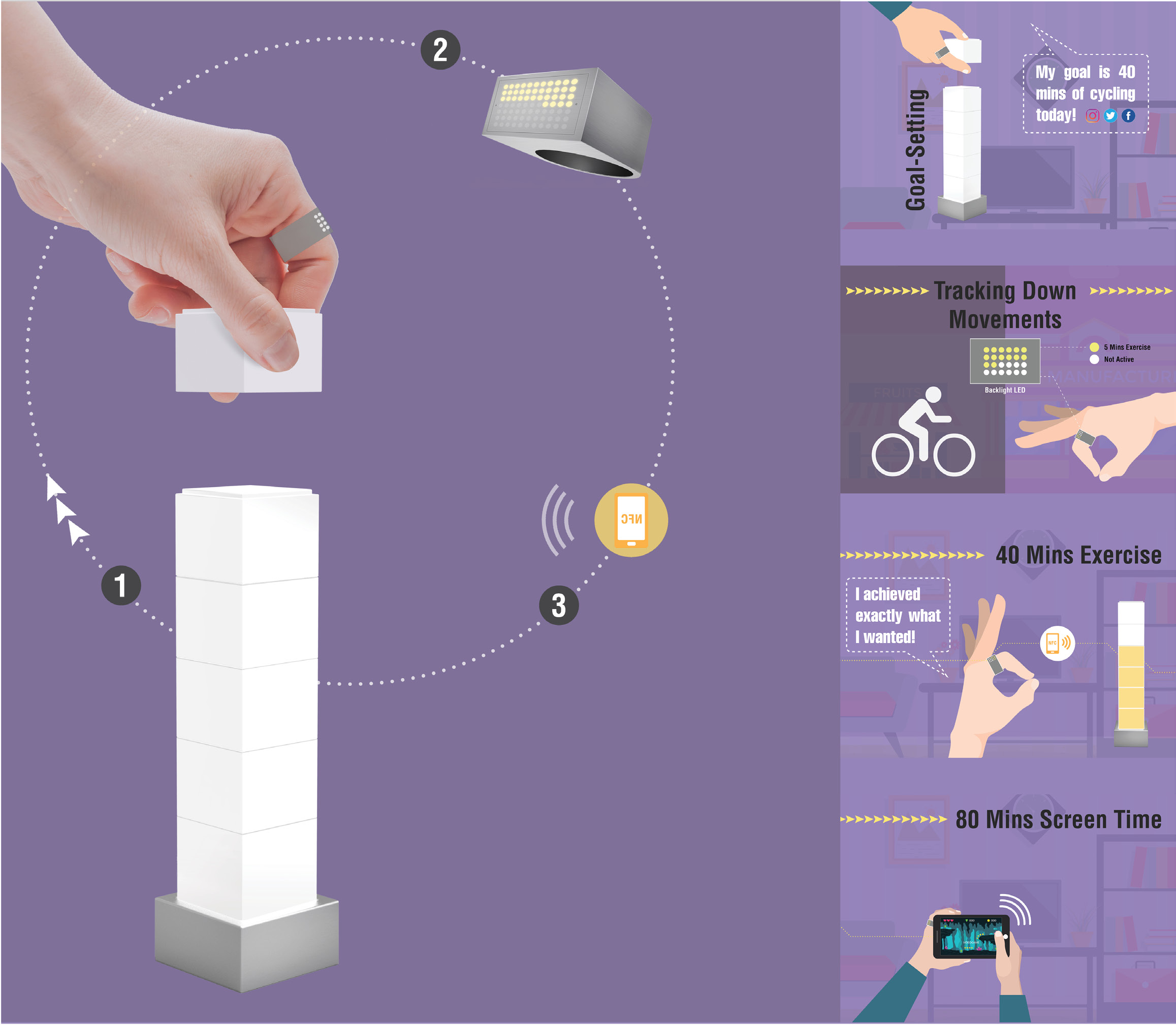
- Maximise capability to regulate own behaviour by setting a goal
- Strengthen motivation to engage in the desired behaviour with rewards
- Reduce barriers that hinder users from changing undesired behaviour with screen access control
- Give many opportunities to support self-regulation by reviewing goals
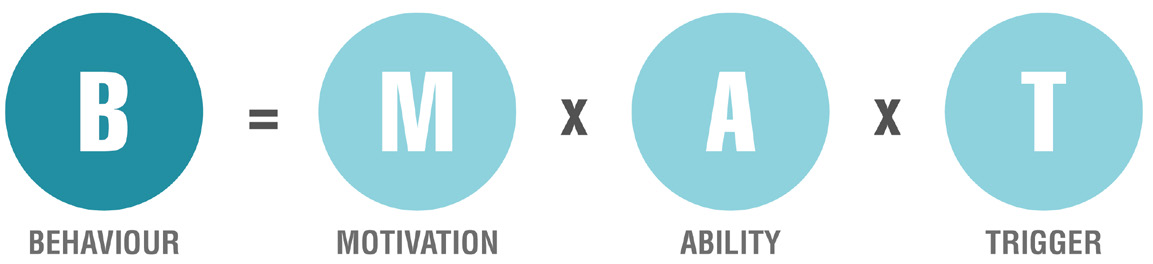
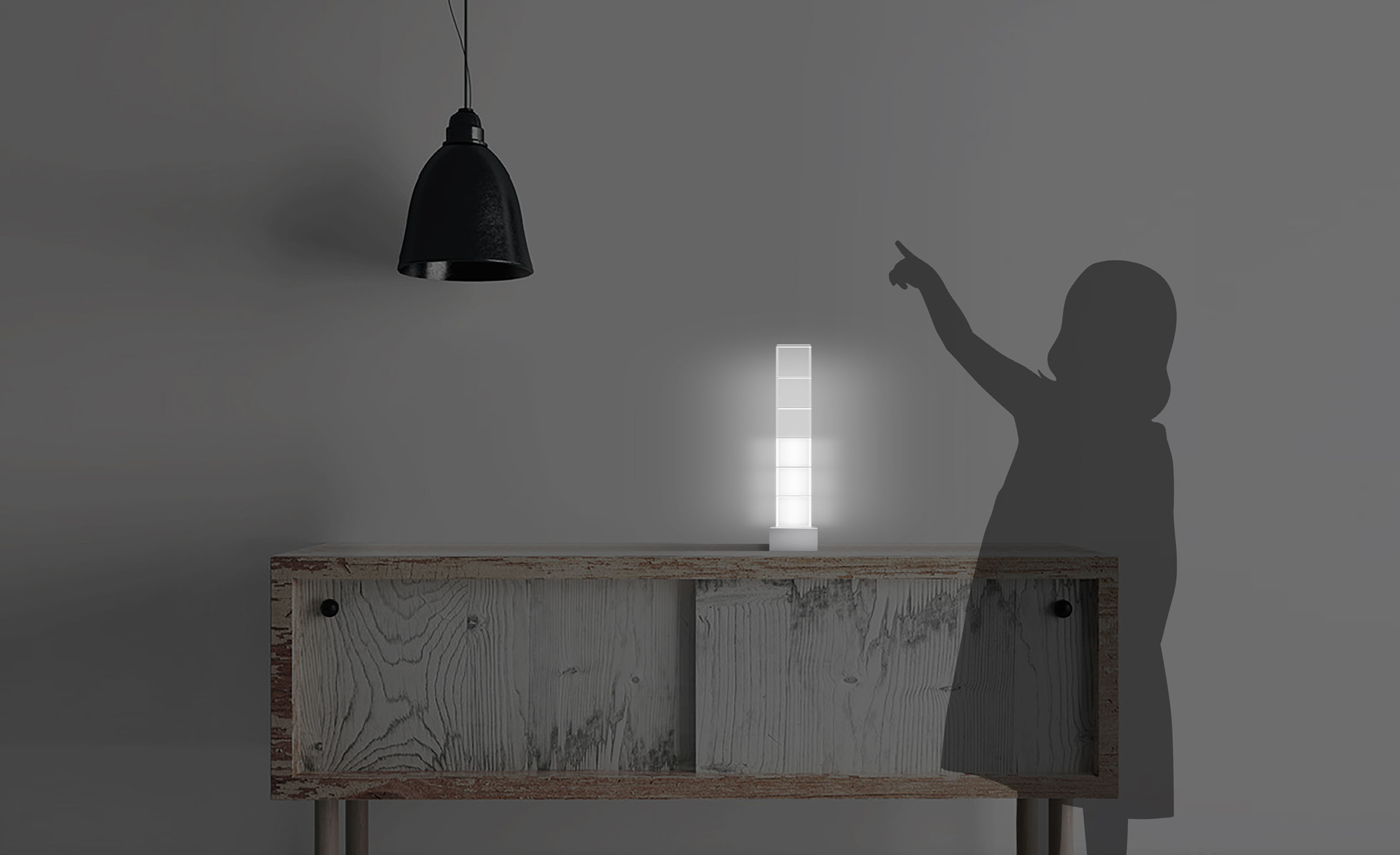
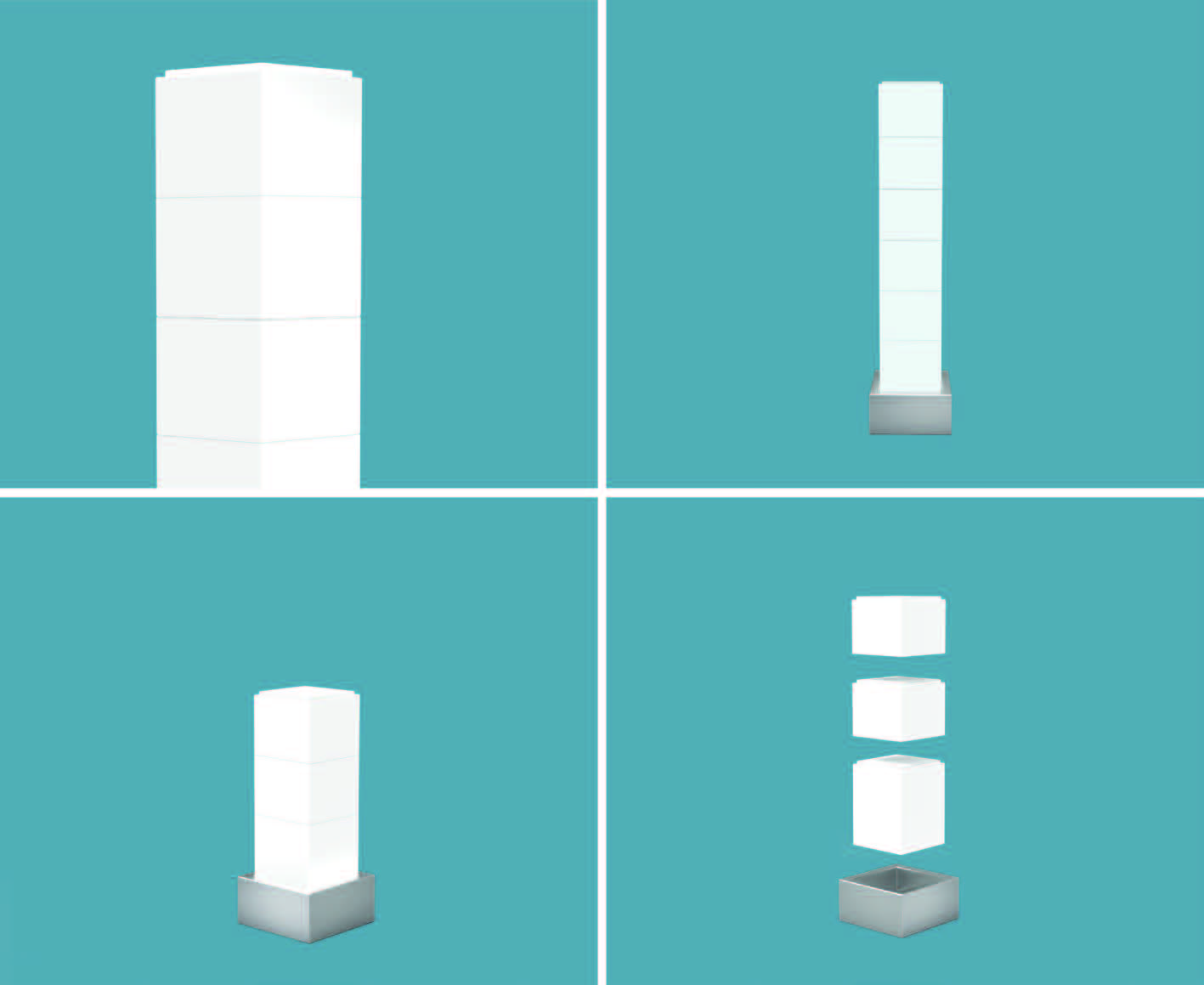
The proposed model — White Box (WB) — links user profiles with behaviour and context to assess the impact of the product-led intervention. The context is characterised by parameters such as a growing inactive culture and routine behaviour, while user behaviour is defined through screen time.
In the conceptual framework, the White Box (WB) plays a significant role in encouraging intrinsic motivation and simultaneously reducing the primary barrier — screen time.
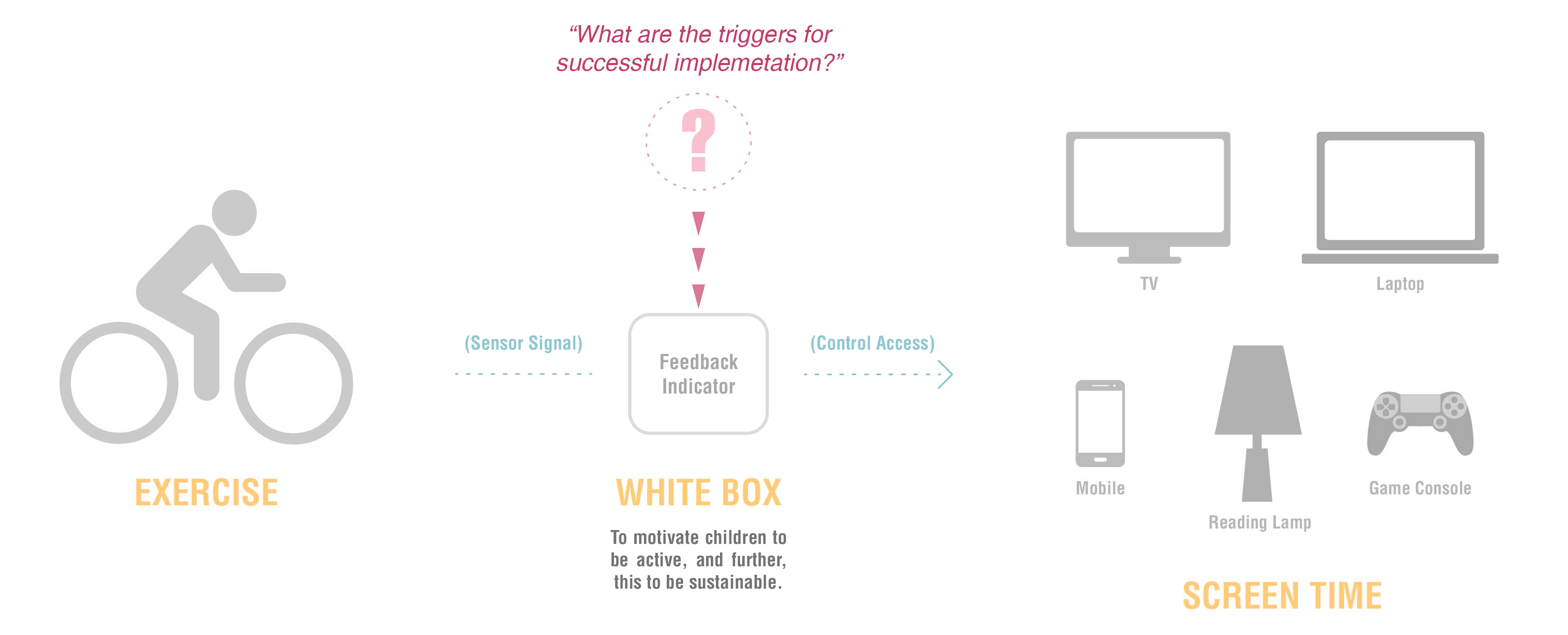
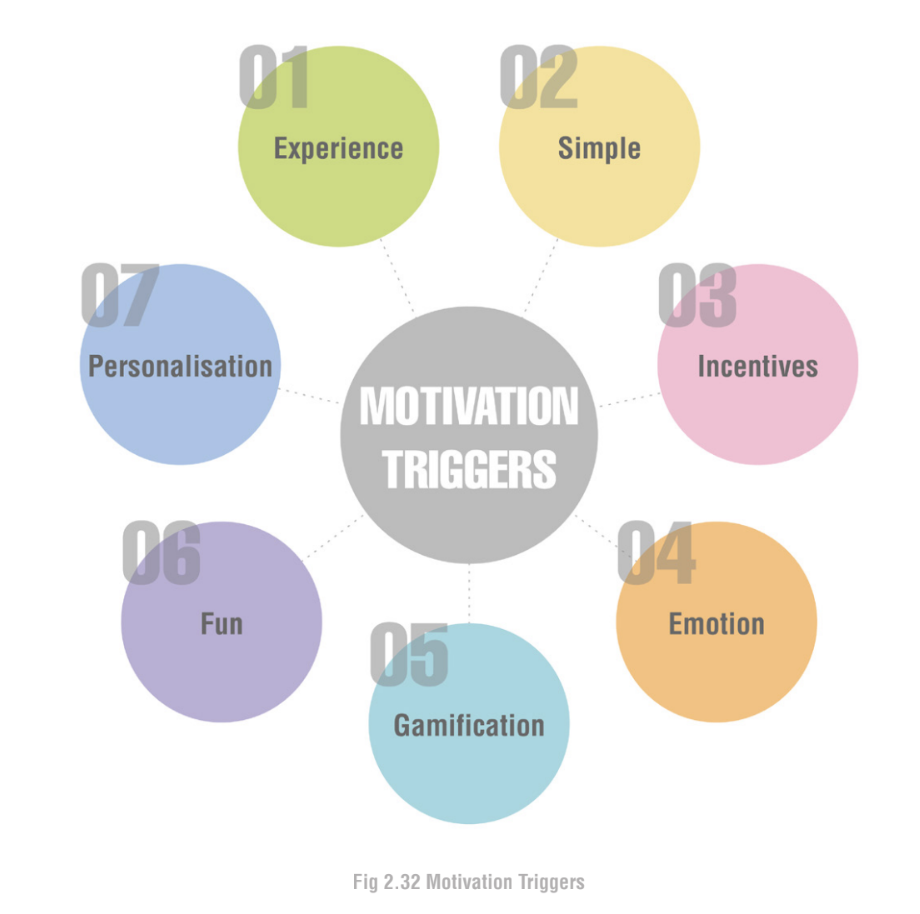
Behaviour Triggers
- Trigger 1: Fun — behaviour change
- Trigger 2: Goal Setting — sustaining behaviour change
The first product slice focused on:
- Daily activity challenges tailored to age groups
- Visual progress tracking to reinforce consistency
- Lightweight gamification — streaks and milestones
- Parent-visible summaries without interrupting child autonomy
This slice was intentionally narrow to validate engagement and behavioural response before scale.
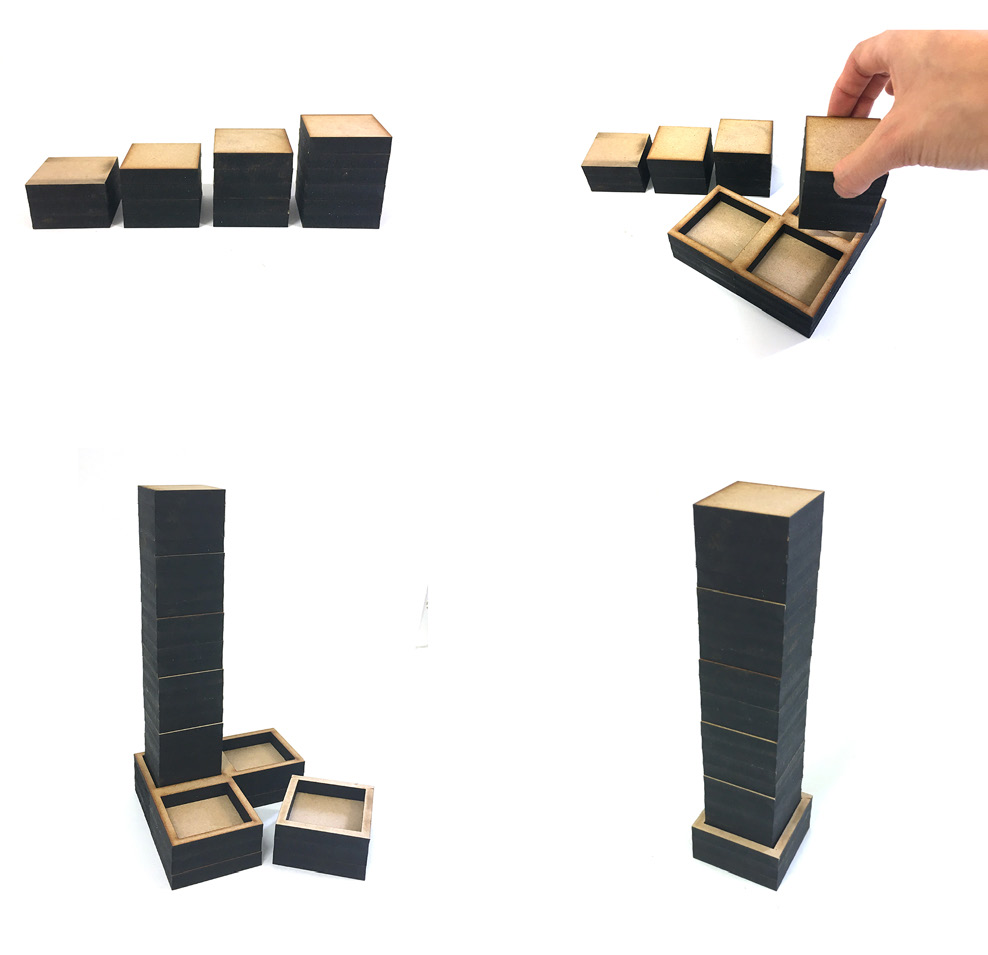
Prototype
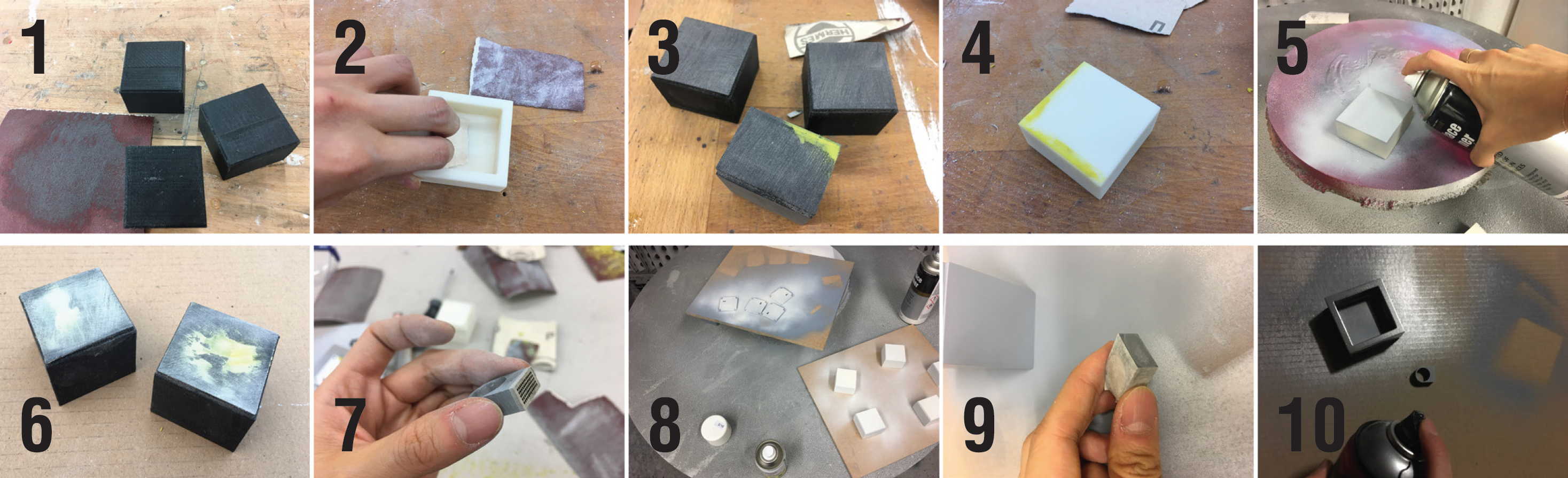
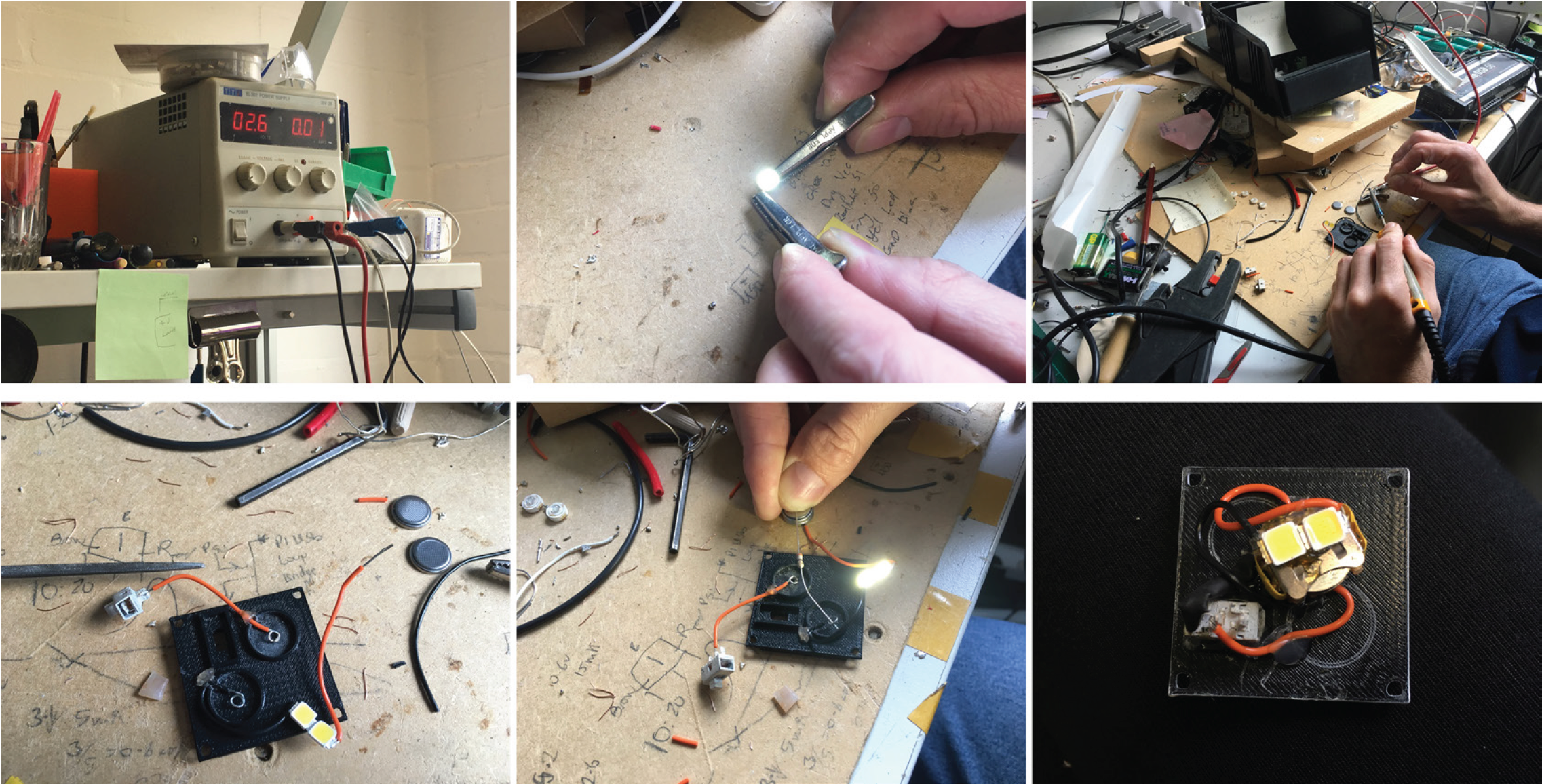
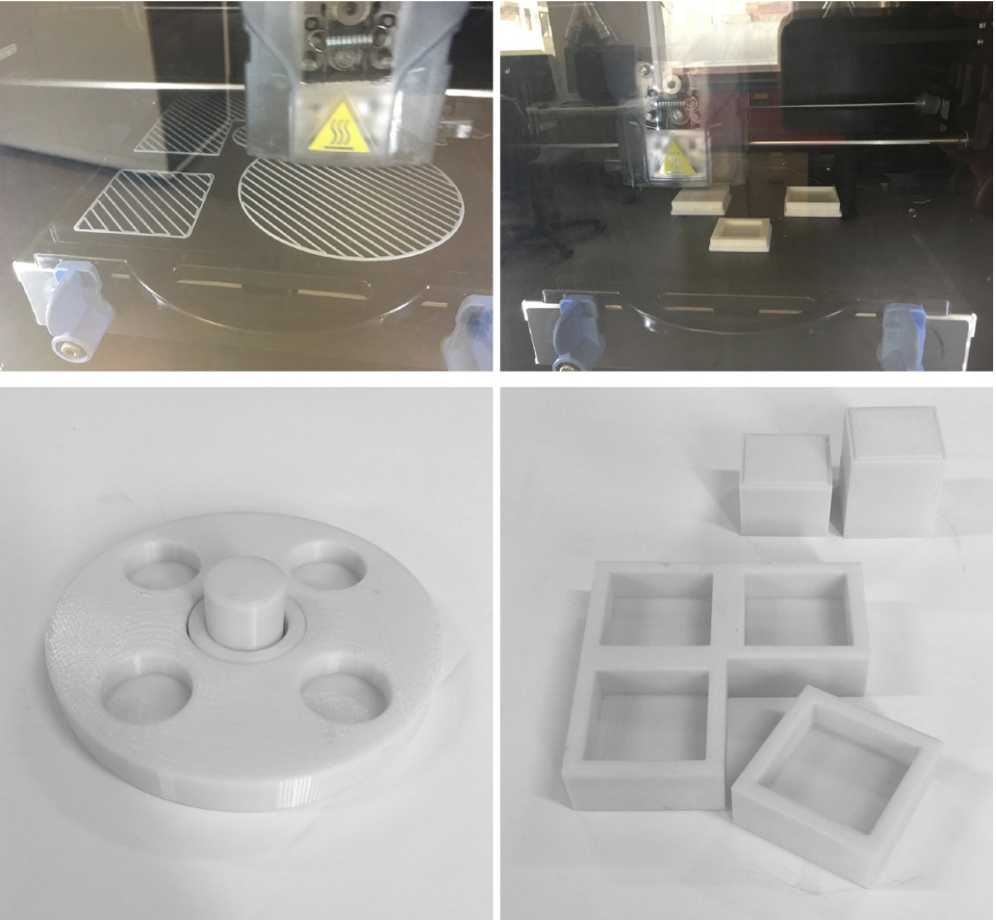
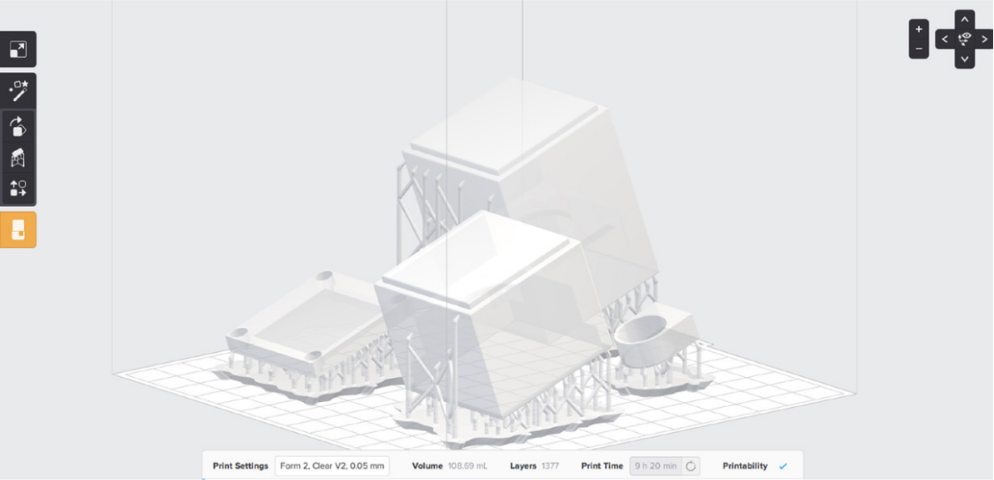
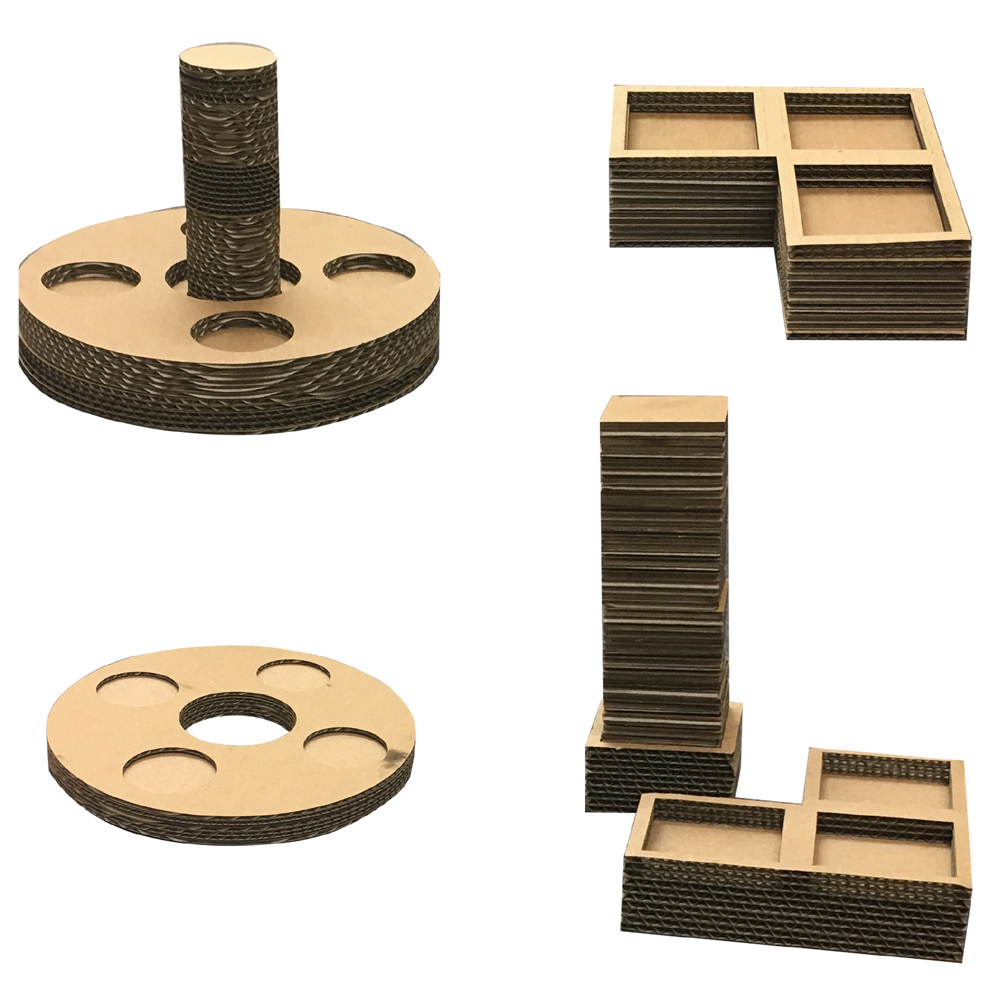
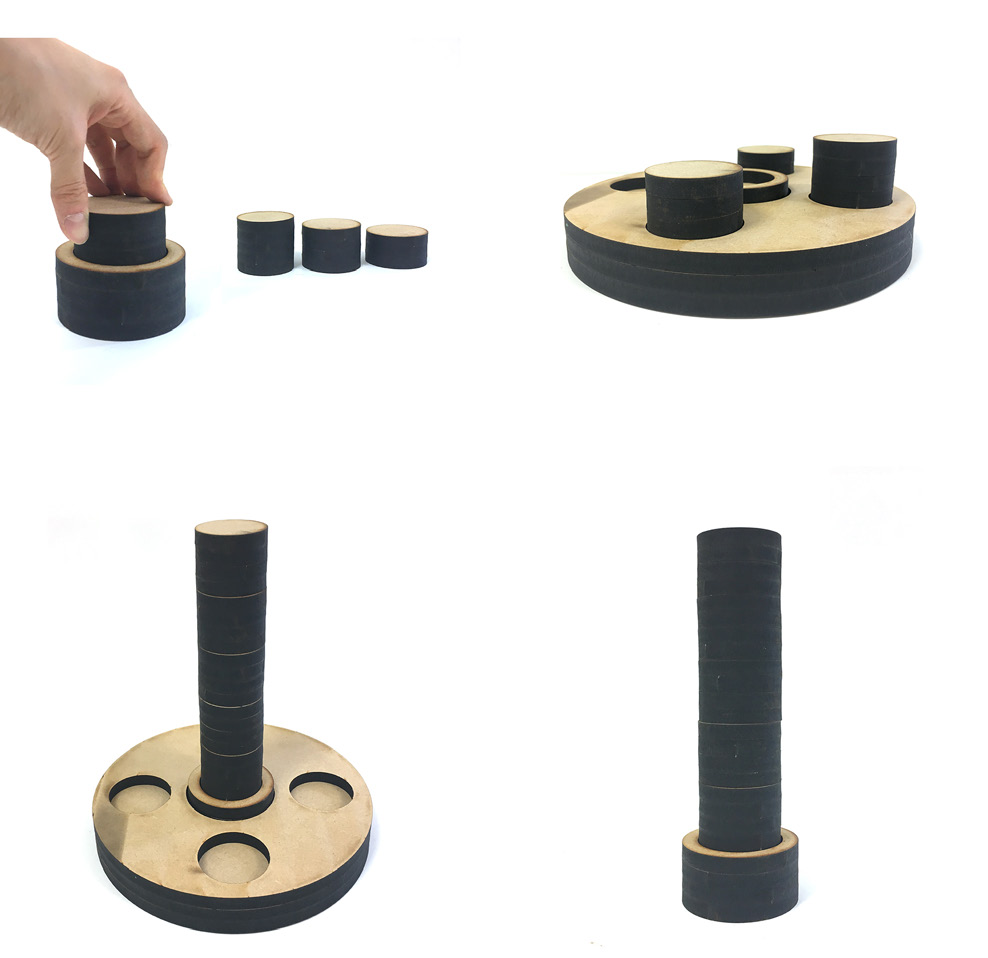
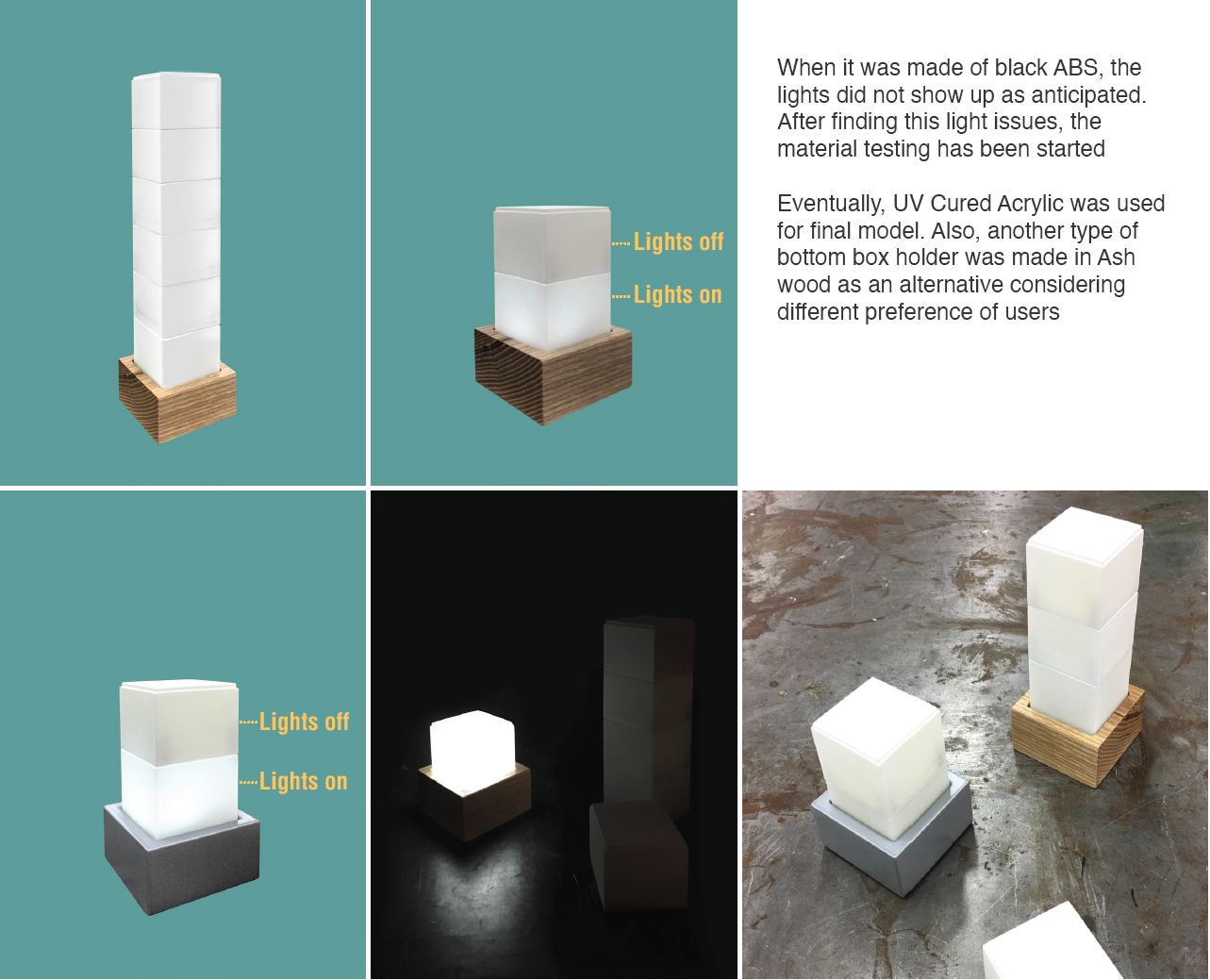
To identify suitable materials for the final model, five types were tested: ABS-P430 Ivory, Form2 Clear ABS-P430 Black, PLA Natural Plastic, and UV Cured Acrylic. When made from black ABS, lights did not perform as anticipated — this triggered a material testing phase. UV Cured Acrylic was ultimately selected for the final model. An Ash wood alternative was also produced to accommodate different user preferences.
- Weight: 680g (overall)
- Materials: PE Plastic + MB (Master Batch) Pigment — 80% transparency
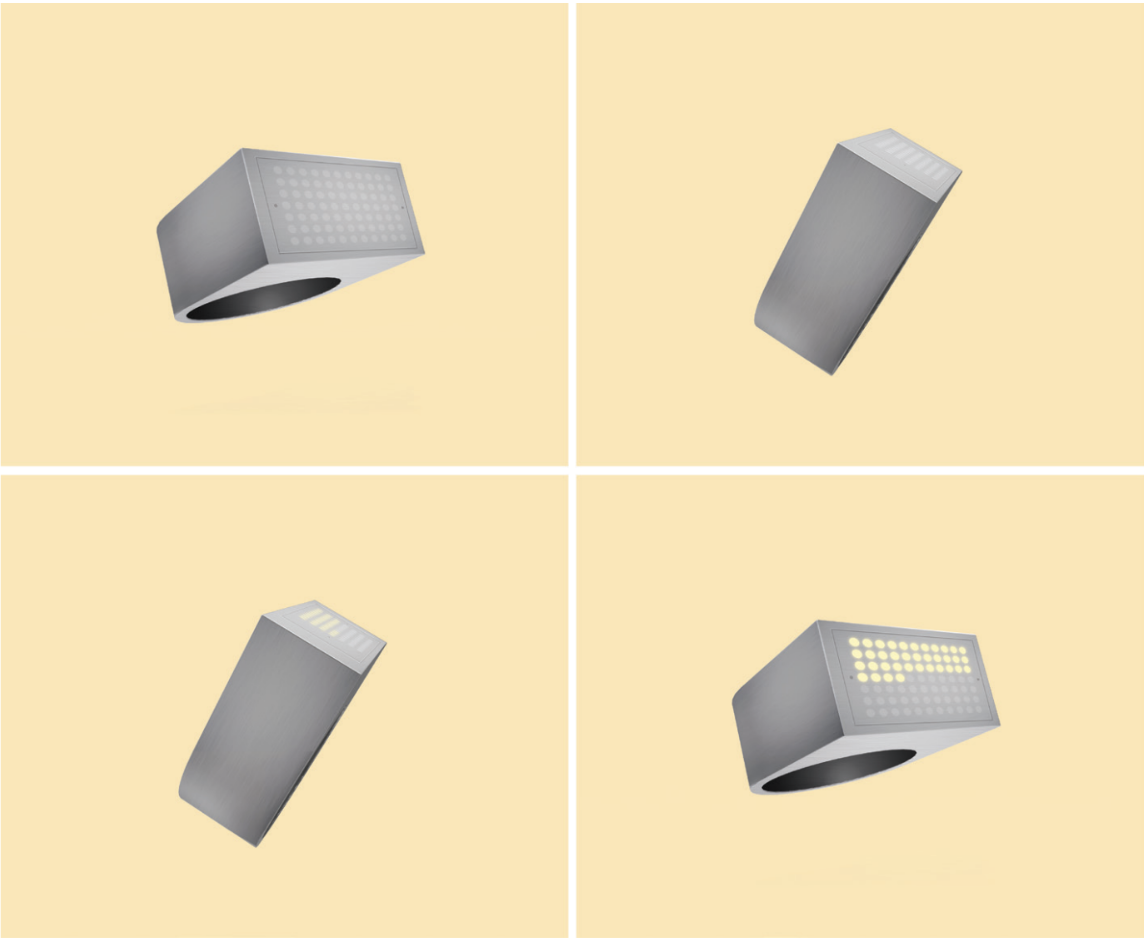
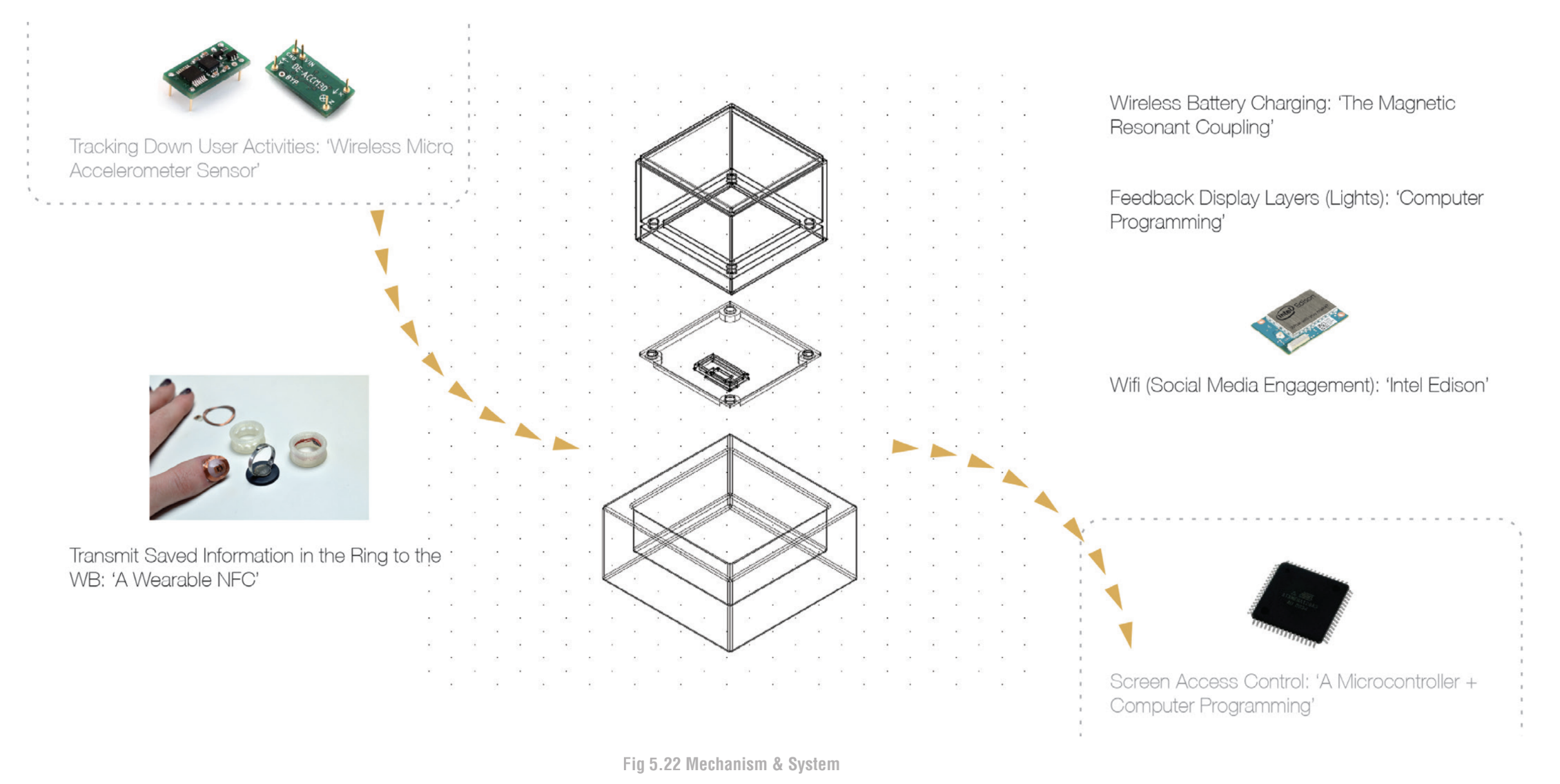
Concept Supporting Media
A project explanation animation was produced for promotion to NHS. The full academic dissertation supporting this project is available here →
Concept validation focused on:
- Comprehension without adult explanation
- Willingness to return daily
- Emotional response to progress feedback
- Balance between fun and health messaging
Findings confirmed strong engagement potential, with refinements made to pacing and feedback loops.
Impact
- User research and testing suggested that awareness of being active can be maintained through everyday interactions mediated by the White Box at home.
- The research contributes evidence for the effectiveness of design-led intervention in relation to behaviour change towards active habit formation.
- NHS was interested in producing the concept to tackle teenage obesity.
- The project was subsequently handed over to a PhD student and professor for further exploration.
Two main concerns were identified from the evaluation of the final design:
- Affordability — manufacturing costs are expected to be high, creating a low affordability ceiling for purchasing the product at scale.
- Sustainability in use — long-term engagement with the White Box has not been proven by experiment. Although theoretically assumed, further study is needed to evidence the hypothesis.
A further evaluation of attractiveness with the primary target group (aged 9–11) is required in future research, as initial testing involved a more mature age group.